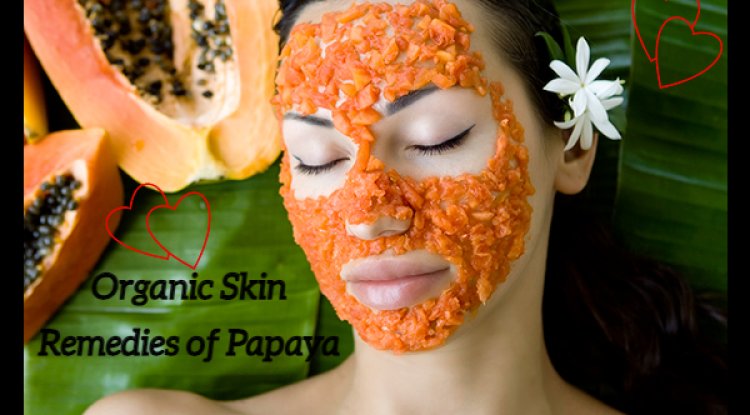
Oil-Free Elegance; A Guide to Banishing Oily Skin with Kitchen Staples
skinorganictips.cpcpoint.com provides authentic, effective organic home remedies for beautiful, healthy, & glowing skin that are naturally free from synthetic chemicals and are truly non-toxic.

Oily skin is a frequent skin type caused by excessive sebum production by the sebaceous glands, the skin's natural oil. While some sebum is required to keep skin moisturized and protected, excessive production can result in a glossy, oily complexion and a variety of skin concerns. Understanding the causes and consequences of oily skin allows us to take better care of our skin and implement suitable remedies. Let's look at the variables that lead to this skin issue in further detail.

1. Genetics: Family Connection:
Your forefathers are to blame! It appears that you have oily skin. So, if your parents or loved ones have oily skin, chances are you do as well. The activity of the sebaceous glands and the overall oil composition of the skin is heavily influenced by genetic factors.
2. Changes in hormone levels:
Hormones significantly impact the skin, and changes can result in excessive sebum production. Increased levels of androgens stimulate the sebum glands throughout puberty, resulting in oily skin and, in some cases, acne. Hormonal fluctuations during the menstrual cycle, pregnancy, and menopause can all contribute to oily skin.
3. Climate Conditions:
Environmental variables can influence sebum production in the skin. In hot and humid weather, the sebaceous glands must work extra hard to keep the skin hydrated. In dry and cold regions, on the other hand, the skin may create extra sebum to compensate for the lack of moisture, resulting in an oily appearance.
4. Cosmetics and skin care goods:
Using the incorrect skin care products or cosmetics might aggravate oily skin. Some products, particularly those containing harsh substances such as alcohol, might deplete your skin's natural oils. To offset the dryness, the sebaceous glands might create more sebum, resulting in increased sebum output.
5. Extensive Washing and Cleaning:
Contrary to popular opinion, excessive face cleaning can be bad for oily skin. Regular washing, especially with strong detergents, can throw off the skin's natural equilibrium and cause the sebaceous glands to create more sebum as a defense strategy.
6. Nutrition and Diet:
Despite the paucity of research on the connection between nutrition and oily skin, various studies point to the possibility that some dietary elements may be involved. A diet high in processed foods and sweets may worsen inflammation and hinder the production of new oil.
7. Emotional and Stress Factors:
Stress and mental causes can damage the skin. Cortisol, a stress hormone that activates the sebaceous glands and can result in increased sebum production, is produced by the body when it is under stress. Stress can also make it difficult to maintain a regular skincare routine, leading to neglect and exacerbating oily skin issues.
8. Diseases and Drugs:
The amount of oil produced by the skin may be affected by medications like steroids and hormone therapy. Several illnesses, such as polycystic ovarian syndrome (PCOS), may also be connected to oily skin because of hormonal imbalance.
9. Age:
Sebum and collagen production decrease as we get older, among other skin changes. Some people can still develop oily skin as they age, even though the majority of elderly people have normal skin.
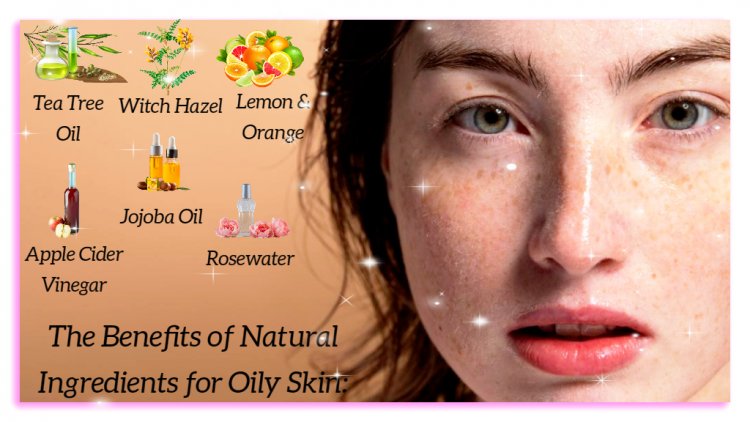
The Benefits of Natural Ingredients for Oily Skin:
1. Tea Tree Oil:
Ingredients:
- Tea Tree Oil
- Jojoba Oil
Directions:
- Take a few drops of tea tree oil and combine them with jojoba oil in equal amounts.
- Apply it to your face and massage it circularly.
- Keep it overnight and rinse with warm water the next morning.
Note: Tea tree oil naturally combats bacteria, which can help regulate excessive oil production and lessen acne outbreaks.
2. Witch Hazel as a Natural Astringent:
Ingredients:
- Alcohol-free Witch Hazel
Directions:
- Wash your face thoroughly to remove dust.
- Take a little amount of witch hazel in a bowl or on your palm.
- Use a cotton pad to apply alcohol-free witch hazel to your skin as a toner.
Note: Witch hazel is a natural astringent that can aid in constricting pores and regulating oil production.
3. Clay Masks:
Ingredients:
- French Green Clay or Bentonite Clay
- Apple Cide Vinegar
Directions:
- Make a paste with a spoonful of clay and a tablespoon of apple cider vinegar (if you have sensitive skin, use water instead of vinegar).
- Use it on your neck and face.
- Allow for 15 to 20 minutes of drying time before rinsing.
- It is necessary to wash and dry the item.
Note: Natural minerals such as French green clay and bentonite clay can aid in the absorption of excess oil and pollutants by the skin.
4. Citrus Extracts:
Ingredients:
- Fresh orange juice
- fresh lemon juice
Directions:
- In a bowl, combine equal parts lemon juice and orange juice and dilute with water.
- Cosmetic pads can be used to apply it to the skin.
- Wait 10 to 15 minutes before washing.
- After washing, rinse with water.
Note: Citrus fruits, such as oranges and lemons, naturally can help manage oiliness.
5. Jojoba Oil:
Ingredients:
- Jojoba Oil
Directions:
- Take a little amount of jojoba oil on your palm.
- Apply it to your skin and gently massage it in a circular motion.
- Wash your face after 10-15 minutes.
- It will moisturize your skin without blocking pores and assist in balancing sebum production.
Note: Although it is an oil, jojoba oil is a good choice for oily skin since it closely mirrors the natural oils produced by our skin.
6. Apple Cider Vinegar:
Ingredients:
- Apple Cider Vinegar
Directions:
- Combine one part apple cider vinegar and three parts of water.
- Apply it on your skin with cotton pads.
- Use it as a toner for your oily skin.
- Wash your skin with cold water.
Note: Apple cider vinegar can reduce excessive oil production and assist your skin's pH balance.
7. Rosewater:
Ingredients:
- Rosewater
- Spray Bottle
Directions:
- Take rosewater with a spray bottle.
- Spray rosewater on your face and neck three times daily.
- For extra advantages, use organic rosewater in a clay mask.
Note: Rosewater is a mild astringent with the ability to balance oil production and tighten pores.
Organic Face Packs for Oily Skin:
Various organic face packs for oily skin work well.
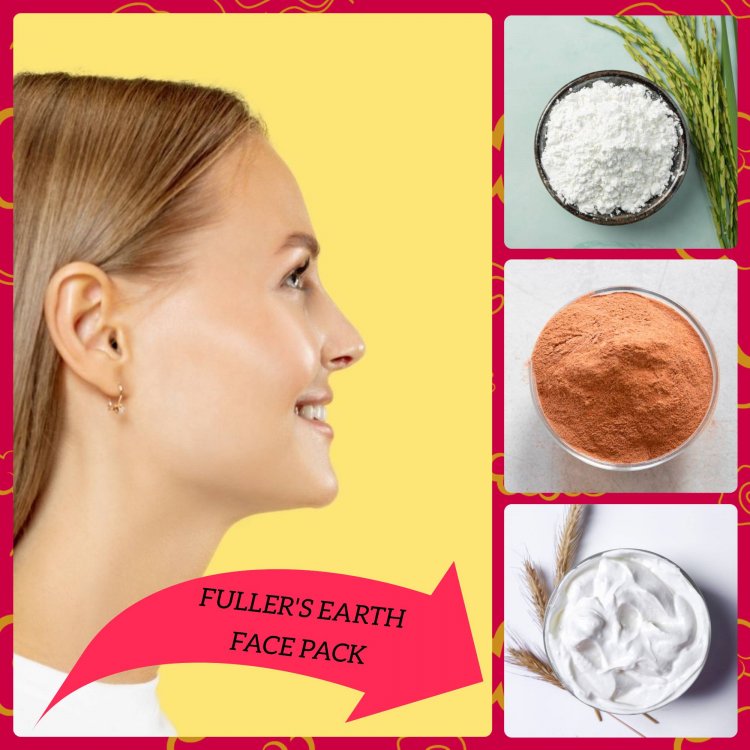
1. Fuller's Earth Face Pack:
Ingredients:
- Fuller's Earth
- Rice Flour
- Yogurt
Directions:
- Combine one tablespoon of Fuller's earth, one tablespoon of rice flour, with one tablespoon of yogurt.
- Apply it to your face and neck.
- Wait for 15-20 minutes or till dry.
- Wash your face with warm water and dry it.
Note: This pack not only removes oil from the skin but also removes fine lines and results in glowing oil-free skin.
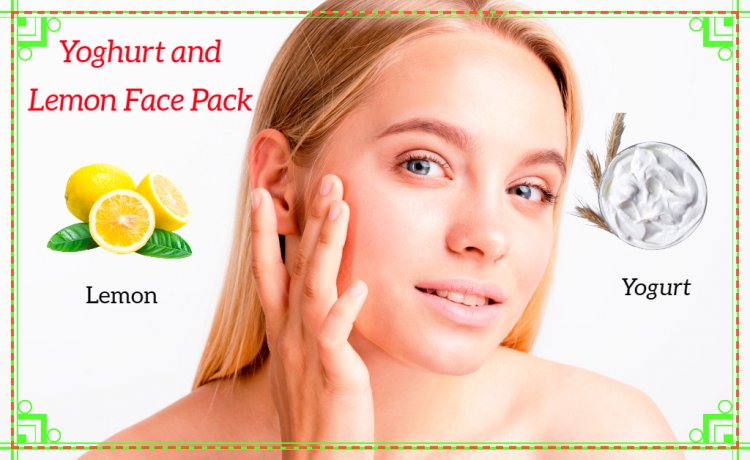
2. Yoghurt and Lemon Face Pack:
Lactic acid, which is present in yogurt, helps exfoliate the skin and regulate oil production. Lemon juice's astringent qualities can help constrict pores and control sebum production.
Ingredients:
- Plain Yogurt
- Lemon Juice
Directions:
- In a bowl, combine two tablespoons of plain yogurt.
- Add a few drops of lemon juice to it and mix well.
- Apply it to your face and neck leaving the eye area.
- Allow for 10-15 minutes before rinsing.
- Wash your face with water thoroughly.
Note: This face pack controls oil formation and gives radiant skin.
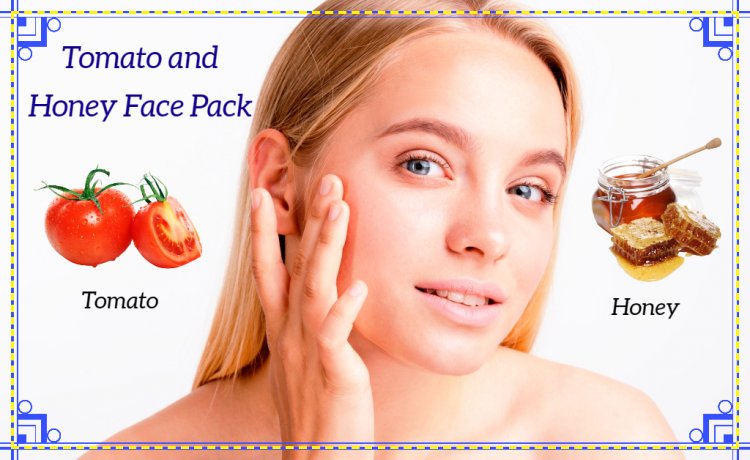
3. Tomato and Honey Face Pack:
Tomatoes have a natural acid content that can help regulate oil production and minimize pore size. Honey contains antimicrobial qualities and regulates moisture levels in the skin.
Ingredients:
- A Ripe Tomato
- Honey
Directions:
- Mash a ripe tomato and add a spoonful of honey.
- Apply it on your face and neck after thoroughly mixing it.
- Wait for 15-20 minutes before rinsing.
- Wash your face with cold water.
Note: This pack regulates oil production and regulates moisture level of your skin.
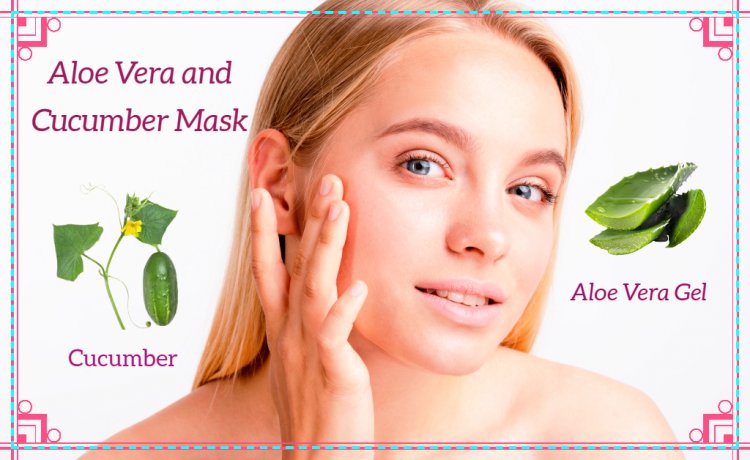
4. Aloe Vera and Cucumber Mask:
Aloe vera contains moisturizing and calming effects, and cucumber soothes the skin and helps to control excess oil.
Ingredients:
- Fresh Aloe Vera Gel
- Cucumber
Directions:
- To make a cooling mask, combine cucumber juice and fresh aloe vera gel.
- It should be applied to your face and neck.
- Let it on for 15 to 20 minutes before being rinsed off.
- Wash your face with cold water.
Note: This mask moisturizes the skin and controls excess oil production on your face.
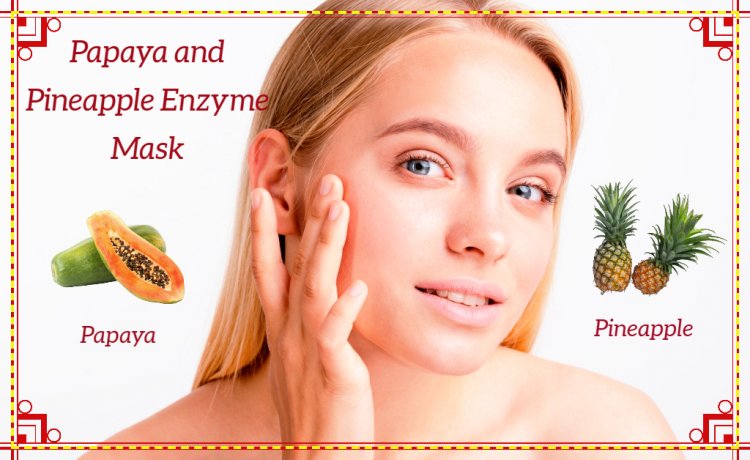
5. Papaya and Pineapple Enzyme Mask:
Both papaya and pineapple contain natural enzymes that exfoliate and brighten the skin (papain and bromelain, respectively).
Ingredients:
- A Ripe Papaya
- A Ripe Pineapple
Directions:
- Mix one tablespoon of mashed papaya with one tablespoon of mashed pineapple.
- Apply this paste to your face and neck.
- Allow it to stay for 15 to 20 minutes before rinsing.
- Wash your face with cold water.
Note: This face pack will exfoliate and brighten your skin along with the removal of oil from your skin.
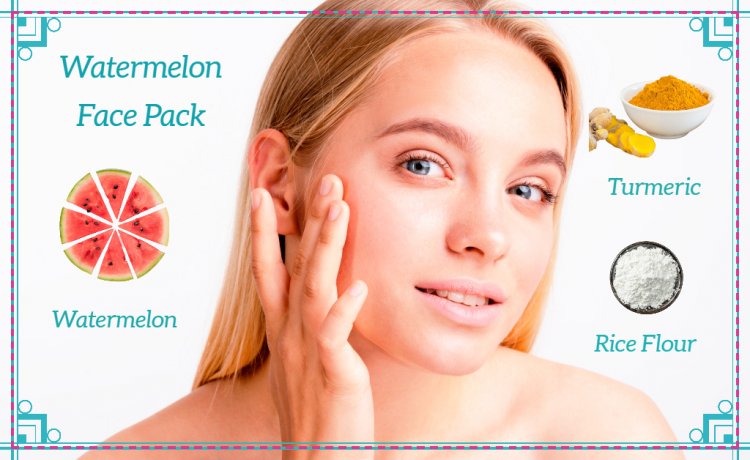
6. Watermelon Face Pack:
Ingredients:
- Watermelon 3tablespoons
- Rice Flour 1tablespoon
- Turmeric a pinch
Directions:
- Combine three tablespoons of watermelon juice, and one tablespoon of rice flour, with a pinch of turmeric.
- Apply this paste on your face and neck after thoroughly mixing.
- Allow it to sit on your face for 15-20 minutes before rinsing it off.
- Wash your face with warm water.
Note: This face pack leaves your skin glowing and reduces oil production.
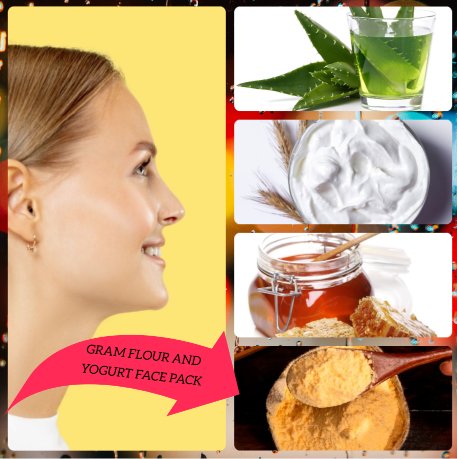
7. Gram Flour and Yogurt Face Pack:
Ingredients:
- Gram Flour
- Yogurt
- Fresh Aloe Vera Gel
- Honey
Directions:
- Mix one tablespoon of gram flour with one tablespoon of yogurt, one tablespoon of fresh aloe vera gel, and one teaspoon of honey.
- Mix well and apply the paste on your face and neck.
- Allow for 15-20 minutes of drying time.
- Wash your face with cold water.
Note: This face pack exfoliates the skin and reduces oil production.
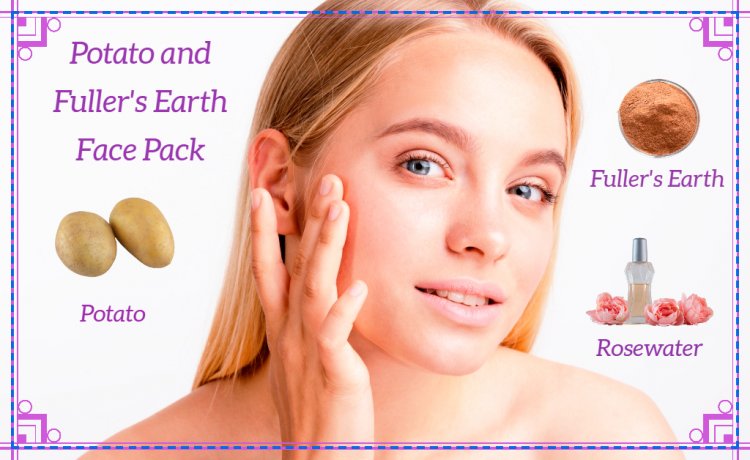
8. Potato and Fuller's Earth Face Pack:
Ingredients:
- Fuller's Earth
- Potato Juice
- Rosewater
Directions:
- Mix one tablespoon of Fuller's earth with two tablespoons of potato juice.
- Apply it on your face and neck after thoroughly mixing it.
- Let it dry for 15-20 minutes and then spray rosewater on the mask.
- Wash it thoroughly with cold water.
Note: This potato mask brightens the skin and absorbs extra oil from your face.
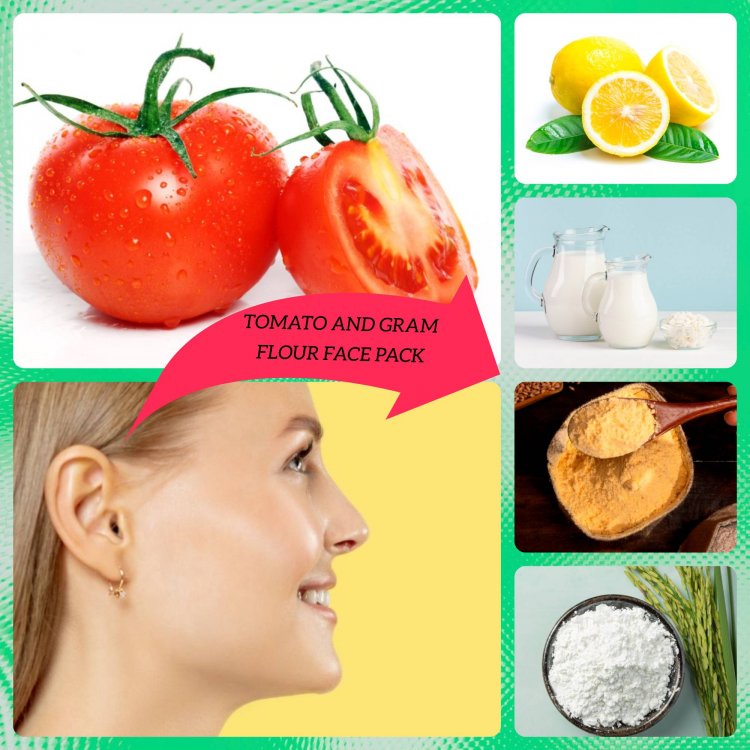
9. Tomato and Gram Flour Face Pack:
Ingredients:
- Tomato Pulp
- Gram Flour
- Rice Flour
- Lemon
- Milk
Directions:
- Extract one tablespoon of tomato pulp and add one tablespoon of dry milk, one tablespoon of gram flour, one tablespoon of milk, and a few drops of lemon juice.
- Mix all the ingredients well and apply the paste to your face and neck.
- Let it on your face for about 15-20 minutes or till dry.
- Wash your face with cold water.
Note: This pack regulates oil production and regulates moisture level of your skin.

10. Banana and Lemon Face Pack:
Ingredients:
- A Ripe Banana
- Gram Flour
- Lemon Juice
Directions:
- Take half a ripe banana and mash it to make a paste.
- Add gram flour and lemon juice to the mashed banana.
- Mix well and turn it into a smooth paste.
- Apply it to your face and neck.
- Allow the pack to sit on your face for 10-15 minutes.
- Wash your face with warm water.
Note: This pack brightens and lightens your skin and reduces oil production.
Patch Test:
Before applying any new organic ingredient to your skin, always remember to conduct a patch test, especially if you have sensitive skin. Even if you have oily skin, you should moisturize your skin still. To keep your skin balanced and hydrated, look for natural moisturizers that are lightweight and non-toxic.
Application:
Remember that everyone has a unique skin type. You must be thoroughly versed in your skin's demands and how it reacts to various chemical components. If you have persistent or severe oily skin problems, you should see a dermatologist for personalized advice and treatment options. It is critical to understand the skin's demands and how it responds to various variables. Before using new products or treatments on your face, test them on a tiny patch of skin first. You can also combat oily skin by practicing continuous skin care and hygiene. Contact your doctor if you have severe or recurring oily skin concerns.
What's Your Reaction?