Best Organic & Natural Skincare Remedies and organic facials for Sensitive Skin near me to Make it Soft Glowing Fair Skin with skinorganictips.cpcpoint.com
skinorganictips.cpcpoint.com provides authentic, effective organic home remedies for beautiful, healthy, & glowing skin that are naturally free from synthetic chemicals and are truly non-toxic.

Skin sensitivity can be both a blessing and a curse. On the one hand, it can make you more aware of your body's reactions to certain substances, but it can also cause frustrating skin problems. If you have sensitive skin, you understand how vital it is to take care of it to avoid discomfort and irritation. In this post, we delve deep into the topic of sensitive skin, investigating its causes, as well as some efficient home remedies for soothing and caring for sensitive skin.

1. What is Sensitive Skin?
Sensitive skin is characterized by a heightened sensitivity to external and internal influences. People with sensitive skin are more prone to redness, itching, burning, and dry skin than others. Several variables can contribute to this enhanced sensitivity.
2. Sensitive Skin Reasons:
Sensitive skin can be caused by a variety of factors, including:
a). Ethnicity and Genetics:
Your genetics play a significant role in establishing your skin type. Because of genetic considerations, certain ethnic groups are more prone to sensitive skin.
b). Skin Barrier Dysfunction:
Increased sensitivity might result from a compromised skin barrier. Pollution, harsh weather conditions, and abuse of certain skin care products can all harm the skin's natural barrier.
c). Allergens and Irritants:
Some people are more sensitive to allergens and irritants that can cause skin reactions in skin care products, detergents, and cosmetics.
d). Skin Diseases:
Eczema, rosacea, and psoriasis all produce sensitive skin because they weaken the skin's defenses.
3. Skin Sensitivity Causes:
i). Weather:
Extreme weather conditions, such as cold winds and low humidity, can dehydrate the skin and create hypersensitivity.
ii). Aggressive Exfoliants
Exfoliating too frequently or using aggressive exfoliants might cause skin irritation and sensitivity.
iii). Perfumes and Synthetic Components:
Artificial perfumes and synthetic components in skin care products can irritate sensitive skin.
iv). Hot Water Baths:
Prolonged contact with hot water can deplete the skin's natural oils, leaving it delicate and sensitive.
v). UV Radiation:
Prolonged sun exposure can damage the skin's DNA and increase sensitivity.
4. Recognise Sensitive Skin:
It is critical to establish whether you have sensitive skin or whether you are susceptible to certain irritants. Keep an eye out for the following signs:
- Hot flashes, especially frequent hot flashes
- Tightness or areas of dry skin
- Rashes and hives are common.
- Skin care products might irritate.
- Reactions to Climate Change
5. Selecting the Best Skin Care Products:
Choosing the correct skin care products for sensitive skin is critical. Look for items that have the following features:
a). Fragrance-Free: Avoid items with artificial perfumes because they can cause discomfort.
b). Hypoallergenic: For sensitive skin, choose hypoallergenic products.
c). Minimal Ingredients: Products with fewer components are less likely to induce responses.
d). Patch Test: Before using any new product on your face or body, always perform a patch test.
6. Developing a Sensitive Skincare Routine:
- Cleanser: To eliminate pollutants without harming the skin, use a gentle, fragrance-free cleanser.
- Moisturiser: To hydrate and protect the skin, use a light, hypoallergenic moisturizer.
iii. Sunscreen: Use mineral sunscreen to protect your sensitive skin from damaging UV radiation.
7. Lifestyle Recommendations for Sensitive Skin:
I). Dietary Considerations: Avoid spicy foods and heavy alcohol consumption because they can induce skin responses.
II). Stay Hydrated: Drink plenty of water to keep your skin hydrated from the inside out.
III). Stress Management: As stress can enhance sensitivity, try stress-relieving techniques like meditation and yoga.
8. When Should You See a Dermatologist?
If sensitive skin problems persist or worsen despite home treatments and moderate skin care, it is critical to seek expert help. A dermatologist can assist in the identification of underlying skin disorders as well as the provision of personalized treatment suggestions.

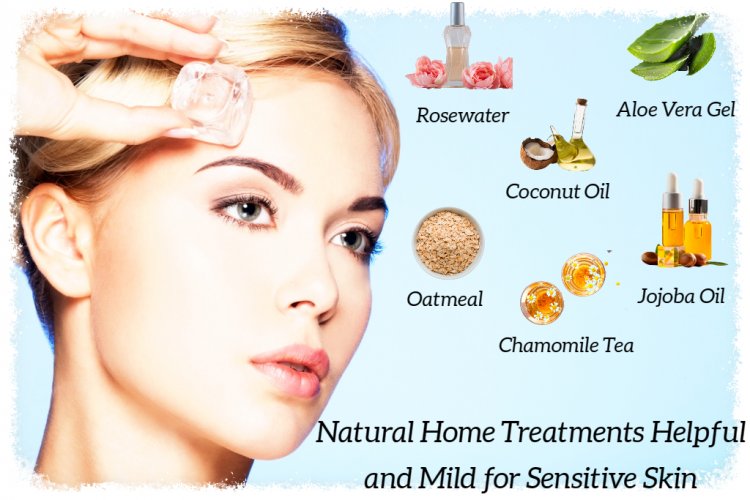
9. Natural Home Treatments Helpful and Mild for Sensitive Skin:
Many organic elements might be helpful and mild for your skin if you have sensitive skin and prefer utilizing organic goods. Natural and home treatments can perform wonders when it comes to caring for sensitive skin. Simple, mild, yet effective therapies to soothe and nourish sensitive skin include:
1. Virgin Coconut Oil:
This all-natural moisturizer is good for sensitive skin. It aids in moisturizing and calming the skin without blocking pores.
Ingredients:
- Virgin Coconut Oil
Directions:
- Take a few drops of virgin coconut oil and gently massage your skin.
- After 15-20 minutes wash your face with mild face wash.
Note: Do a patch test beforehand, though, as coconut oil may not be effective for everyone.
2. Rose water:
Rose water is a mild and calming natural toner that can assist in bringing your skin's pH levels back into balance. It contains anti-inflammatory qualities and helps lessen inflammation and redness.
Ingredients:
- Rosewater
Directions:
- Take rosewater with a spray bottle to use easily.
- Or use a cotton pad to apply rose water to your face, or spritz it directly onto your skin.
- Use it daily for about 5-6 times to hydrate your skin.
3. Aloe Vera Gel:
This product is popular for its calming and cooling effects. It can soothe and hydrate sensitive skin.
Ingredients:
- Fresh Aloe Vera Gel
Directions:
- Get a fresh leaf of aloe vera and extract its gel.
- Apply it directly to your skin and leave it for 10-15 minutes.
- Wash your skin with cold water.
4. Jojoba oil:
Because of its comparable chemical makeup to the natural oils on our skin, jojoba oil is a mild and non-irritating choice. It can aid in hydrating and balancing the skin.
Ingredients:
- Jojoba Oil
Directions:
- Take a few drops of jojoba oil and gently massage it on your skin.
- Wait for a while and then wash with warm water.
5. Chamomile tea:
Chamomile tea is gentle on the skin and contains relaxing and anti-inflammatory qualities.
Ingredients:
- Chamomile Tea
- Water
Directions:
- Boil some water and make a cup of chamomile tea.
- Let it cool, and then apply it as a calming compress or face mist.
- Wash your face with cold water after 15-20 minutes.
6. Oatmeal:
Oatmeal is well-known for its calming and peaceful qualities. It can aid in reducing inflammation and itching in people with sensitive skin.
Ingredients:
- Oatmeal
- Rosewater
Directions:
- Plain oatmeal should be finely powdered and combined with rosewater to form a paste.
- Apply the paste to your face and let it sit.
- Wait for 15-20 minutes before rinsing.
- Wash it off with warm water.
Gentle and Calming Organic Face Pack Recipes:
If you have sensitive skin and are looking for some home remedies to care for it, There are several gentle and calming organic face masks with kitchen ingredients. Here are some recommendations:

1. Avocado and Honey Face Pack:
The avocado contains minerals and good fats, and the honey acts as a humectant, locking moisture into the skin.
Ingredients:
- A Ripe Avocado
- Honey
Directions:
- Combine half an avocado and two tablespoons of honey in a mixing bowl.
- Leave the mixture on your face for 15-20 minutes.
- Wash your face with warm water and dry it.
2. Bath with Oatmeal:
Oatmeal is anti-inflammatory and helps to soothe and moisturize dry, irritated skin.
Ingredients:
- Oatmeal
Directions:
- Take one cup of oatmeal and ground it into a fine powder in a blender or food processor.
- Soak for 15-20 minutes in a warm bath with melted oatmeal.
- After bathing, gently pat your skin dry.

3. Yogurt and Banana Face Pack:
Yogurt includes lactic acid, which soothes and moisturizes sensitive skin, while bananas are high in vitamins and minerals.
Ingredients:
- A Ripe Banana
- Yogurt
Directions:
- Mix half a ripe banana with one tablespoon of yogurt.
- Allow the mixture to sit on your face for 20-25 minutes.
- Pat dry after rinsing with cold water.
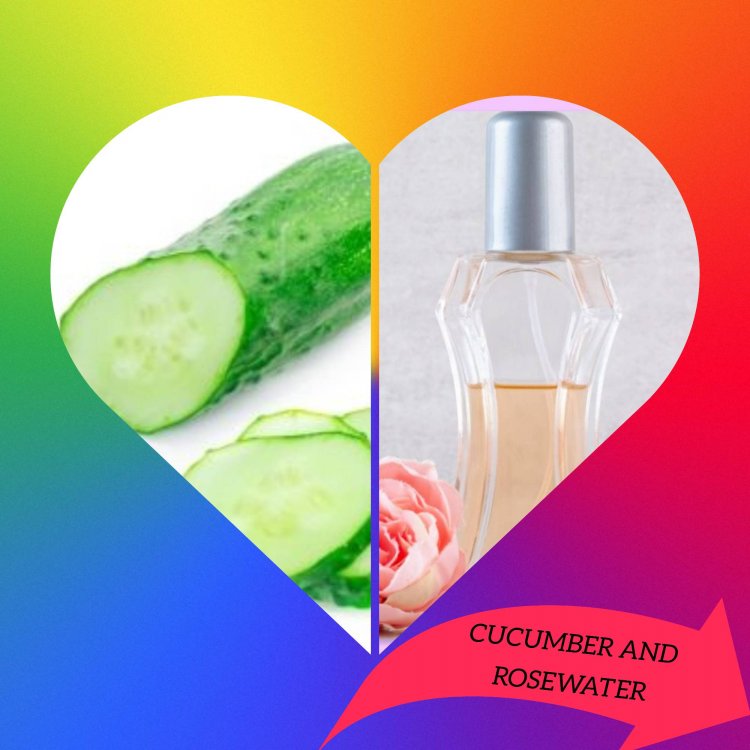
4. Cucumber and Rosewater:
Ingredients:
- Fresh Cucumber
- Rosewater
Directions:
- Mash half a cucumber and strain its juice.
- Combine two tablespoons of cucumber juice and two tablespoons of rosewater.
- After cleansing, apply this mixture to your face.
- Wait for 10-15 minutes before washing.
- Wash your face with cold water.
Note: Cucumber and rose water moisturize and soothe dry and sensitive skin.

5. Oatmeal and Yogurt Mask:
The relaxing effects of muesli are complemented by the mild exfoliation and hydration offered by yogurt.
Ingredients:
- Oatmeal
- Yogurt
Directions:
- To make a calming mask, combine cooked muesli and plain yogurt.
- Let it cool and apply the mixture to your face.
- Wait for 15-20 minutes before rinsing.
- Clear it off with warm water.

6. Banana and Honey Mask:
Honey is calming and antimicrobial, whereas bananas are soft and moisturizing.
Ingredients:
- A Ripe Banana
- Honey
Directions:
- Take half a banana and mash it to make a paste.
- Add one tablespoon of honey in it and mix well.
- Apply the mixture to your face and neck for 15-20 minutes.
- Wash your face with water and dry it.
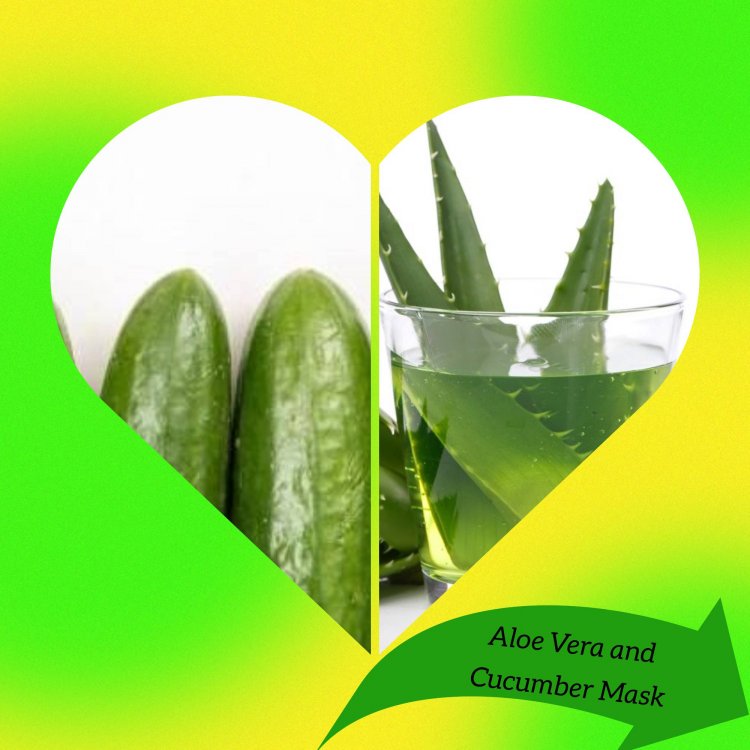
7. Aloe Vera and Cucumber Mask:
Cucumber aids in reducing redness and inflammation, while aloe vera is well known for its calming qualities.
Ingredients:
- Aloe Vera Gel
- Fresh Cucumber
Directions:
- To make a hydrating and cooling mask, combine fresh aloe vera gel with cucumber pulp.
- After applying the mixture to your face, wait 15 to 20 minutes.
- Wash your face with water and dry it completely.
Conclusion:
Sensitive skin requires extra care and attention, but you can keep your skin happy and healthy with the appropriate knowledge and cures. Understanding the causes and symptoms of sensitive skin can allow you to make more informed decisions about skin care products and procedures. To get a pleasant, radiant complexion, use natural therapies and live a lifestyle that prioritizes skin health. Remember that caring for sensitive skin is a time-consuming effort, but it is worthwhile.
What's Your Reaction?