Crafting Your Skin's Destiny to Get Ageless Beauty; Remarkable Home Remedies to Brighten Pigmented Skin
skinorganictips.cpcpoint.com provides authentic, effective organic home remedies for beautiful, healthy, & glowing skin that are naturally free from synthetic chemicals and are truly non-toxic.
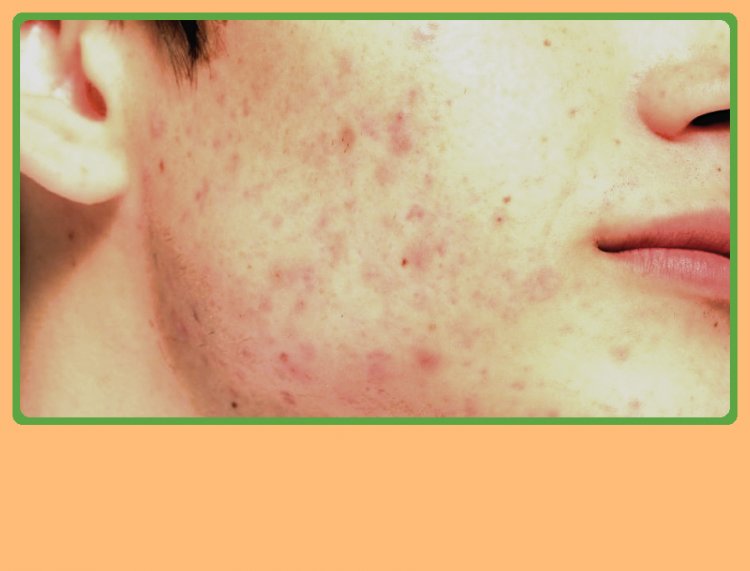
Dealing with issues related to pigmentation can be pretty stressful primarily when they affect the brightness and clarity of the skin. Uneven skin tone, caused by production due, to factors, like sun exposure, hormonal changes, or skin injuries can be pretty bothersome. While there are treatment options available many individuals prefer exploring do-it-yourself remedies to tackle this concern. In this post, we will explore some home remedies for dealing with pigment spots that can help you achieve a balanced skin tone and restore your self-assurance.
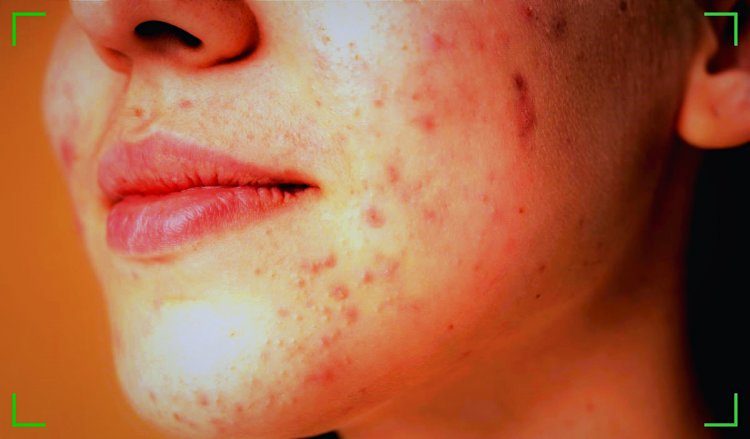
1. Various Categories of Pigmentation:
The term "pigmentation" pertains to the coloring of the skin, hair, or other tissues due to the presence of pigments. There are different types of pigmentation in human skin, Such as:
a. Melanin Pigmentation:
Our skin, hair, and eyes are each uniquely colored thanks to a fundamental pigment called melanin. Eumelanin, which is brown-black, and pheomelanin, which is yellow-red, are the two primary forms of this pigment. Skin tone is affected by the kind and quantity of melanin.
b. Freckles:
Small, flat spots called freckles make the surrounding skin appear a little bit darker. Following sun exposure, they are more obvious in people with pale skin because they result from an uneven distribution of melanin.
c. Age Spot or Liver Spot:
Flat dots that present as brown, grey, or black typically develop on areas of sun-exposed skin. Lentigines, which are more prevalent in the elderly, are the result of melanin buildup.
d. Hyper Pigmentation:
Darkened skin patches known as hyperpigmentation are brought on by an increased melanin synthesis. Numerous elements, including exposure to sunshine, hormone changes, and skin inflammation, have an impact on the development process.
e. Hypo Pigmentation:
When melanin production is reduced, hypopigmentation results, leaving lighter regions of skin. Albinism and vitiligo are two diseases that can appear as a result of hypopigmentation.
f. Post-Inflammatory Hyperpigmentation (PIH):
After inflammatory skin diseases like acne, eczema, or a rash have healed, post-inflammatory hyperpigmentation (PIH) takes place. The affected area becomes darker than the surrounding skin due to an increase in melanin production.
g. Melasma:
On the face, one often observes brown to gray-brown areas of excessive pigmentation known as melasma. It is frequently associated with hormonal changes induced by pregnancy or specific birth control methods.
h. Café-Au-Lait Spots:
Flat spots that are light to dark brown and called "café-au-lait spots" are usually present from birth onwards. They vary in size and shape but are generally considered harmless; however, certain inherited conditions may be linked to multiple café-au-lait spots.
i. Lentigines:
Small patches appearing tan to dark brown in tone, commonly referred to as lentigo or age spots, often emerge on sun-exposed skin areas over time. While they typically pose no harm, their prevalence tends to increase with advancing age.
2. Pigmentation Causes:
Let's look at the pigmentation first before discussing the therapies. The pigment that gives skin its color, melanin, is made by melanocytes in the skin. Excessive melanin synthesis can result in pigment diseases such as melasma, hyperpigmentation, and age spots. These diseases can lower your self-esteem even though they are typically not harmful.
i. How to identify melanin and pigmentation:
It's crucial to comprehend how melanin functions before we delve into the causes of skin pigmentation. Consider the epidermis, the outermost layer of your skin. Melanocytes, specialized cells found in this layer, are responsible for producing the natural color melanin. Consider melanin to be the body's natural sunscreen. Its primary function is to shield your skin from the sun's damaging UV radiation.
ii. Exposure to UV radiation and the sun:
Let's now discuss solar exposure. We all enjoy the sun, but too much exposure can lead to pigmentation problems. Sunlight exposure causes melanin to be produced on your skin. It's fantastic that there is increased melanin since it acts as a screen against UV rays. However, things might go awry if you spend a lot of time in the sun without covering your skin. Uneven melanin distribution on your skin could result in those bothersome black spots called sunspots.
iii. Hormonal conditions:
Changes in hormone levels can also impact age spots. Pregnant women frequently have melasma, a kind of pigmentation brought on by hormonal changes during pregnancy. Additionally, hormonal imbalances brought on by specific drugs or medical conditions might also contribute to pigmentation issues.
iv. Age and Genetics:
Uneven pigmentation is a common skin alteration associated with aging. Pigmentations may also be due to inheritance. Those who have a history of pigmentation problems in their families are at risk.
v. Environmental Aspects:
Pollution and exposure to particular chemicals are two environmental factors that can play a role in pigmentation problems. Pollutants can increase the synthesis of melanin, which is unhealthy for the skin.
vi. Skin Type:
The amount of melanin produced depends on the skin type of a person. Humans having fair skin are susceptible to UV radiation, which raises their risk of developing freckles and sunspots. On the other hand, people with darker skin have more melanocytes that are active and are more likely to experience hyperpigmentation.
vii. Skin Wounds:
Problems with pigmentation might result from the healing process for skin wounds and stressful conditions like cuts, burns, or surgery.
3. Home Remedies to Remove Melasma at Home:
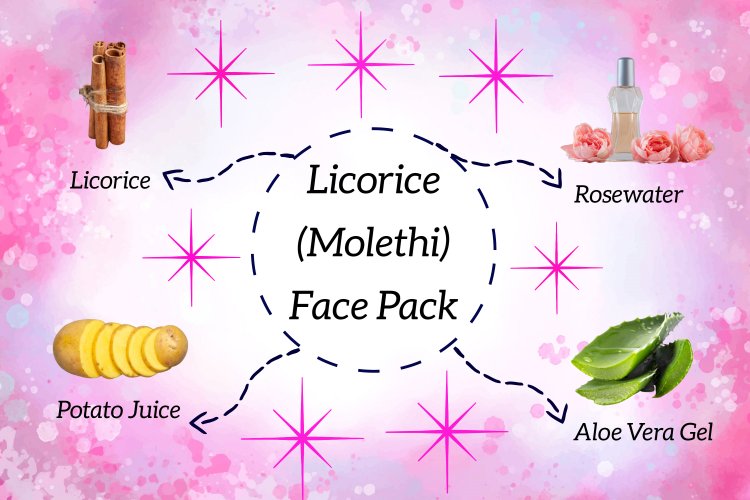
a. Licorice (Molethi) Face Pack:
Ingredients:
- Licorice
- Rosewater
- Aloe Vera Gel
- Potato Juice
Directions:
- Consider using a licorice (molethi) face pack as one of the home remedies for melasma.
- Among the ingredients are aloe vera gel, rosewater, licorice, and potato juice.
- Wash your face thoroughly to clean impurities and dry it to apply the mask.
- Apply the mixture to the affected areas as a fine paste.
Note: Use this face pack thrice a week for better results.
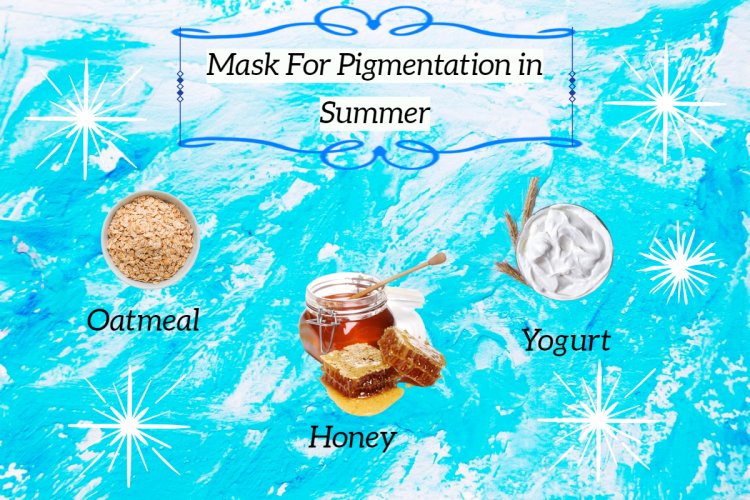
b. Mask For Pigmentation in Summer:
Ingredients:
- Oatmeal Powder
- Honey
- Yogurt
Directions:
- Mix one tablespoon of oatmeal powder with one tablespoon of honey and two tablespoons of yogurt.
- Make a paste and apply this face pack to your face and neck after cleaning the areas.
- Wait for 15-20 minutes or till dry.
- Wash your face and neck area with warm water.
Note: Use this face pack thrice a week for better results.
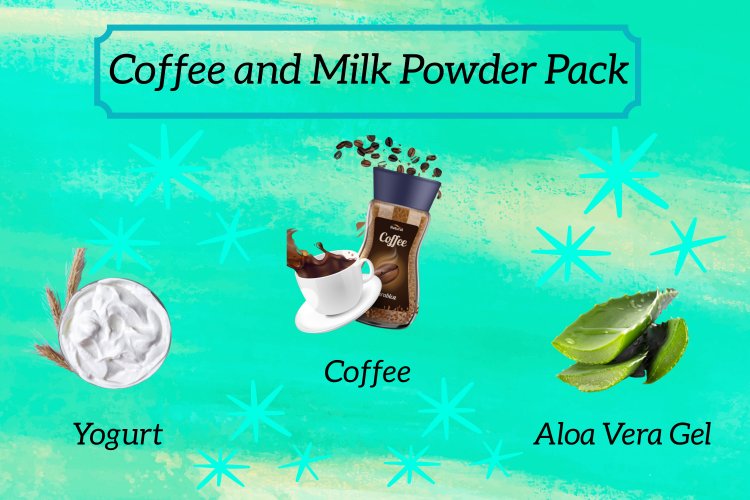
c. Coffee and Milk Powder Pack:
Ingredients:
- Yogurt
- Coffee
- Aloe Vera Gel
Directions:
- Mix two tablespoons of yogurt with one tablespoon of coffee and one tablespoon of aloe vera gel.
- Mix the well and prepare a fine smooth paste.
- Wash your face to remove impurities and dust from the skin.
- Apply a thin layer of the face pack to your face and neck.
- Wait for 10-15 minutes or till dry.
- Wash your face and neck with cold water and dry it.
Note: Use this face pack thrice a week for better results.
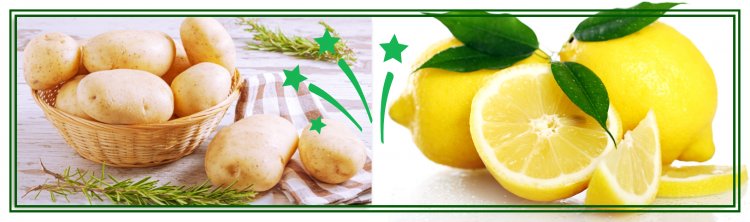
d. Lemon and Potato Pack:
Ingredients:
- Medium Potato
- Lemon Juice
Directions:
- Peel off one medium potato and blend it to make a puree.
- Take three tablespoons of potato puree and mix it with two tablespoons of lemon juice.
- Apply this face pack to your face and neck after cleaning.
- Wait for 20-30 minutes or till dry.
- Wash your face with cold water and moisturize your face.
Note: Apply this face pack daily for better results for one month.
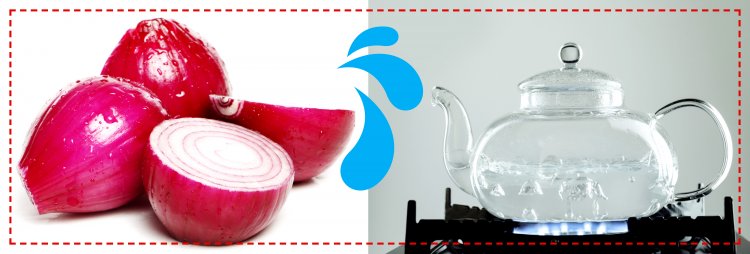
e. Red Onion Face Pack:
Ingredients:
- Red Onion
- Hot Water
Directions:
- Soak the red onion in hot water and extract its juice.
- Apply this extracted liquid to the affected area with a cotton pad.
- Wait for 10-15 minutes and leave it on your face and neck till dry.
- Wash your face and neck with cold water.
Note: Apply this onion pack once a week for better results.
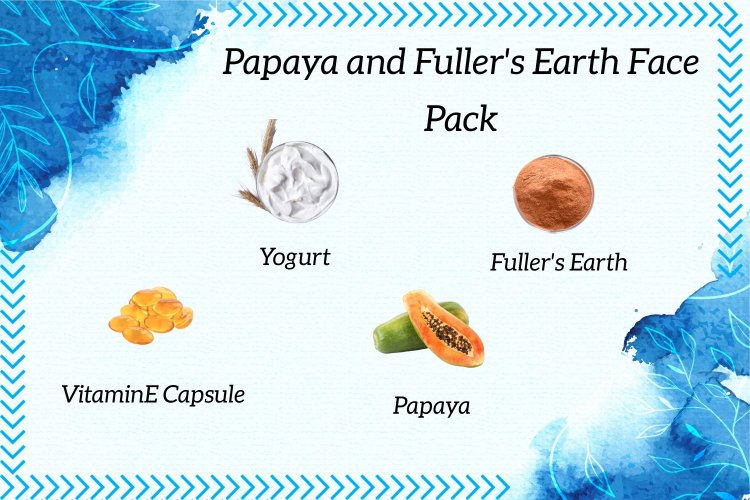
f. Papaya and Fuller's Earth Face Pack:
Ingredients:
- Fuller's Earth
- Papaya
- Vitamin E Capsule
- Yogurt
Directions:
- Mix two tablespoons of fuller's earth (Multani mitti) with one tablespoon of yogurt, one tablespoon of papaya paste, and two vitamin E capsules.
- Mix them well and make a smooth paste to apply.
- Apply this pack to your face and neck.
- Leave it on your face for about 15-20 minutes.
- Wash your face with cold water and dry it.
Note: Apply this face pack once a week for better results.
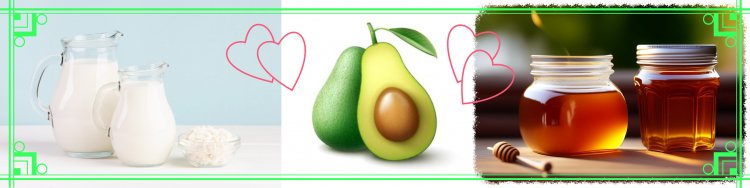
g. Avocado and Honey Face Pack:
Ingredients:
- A Ripe Avocado
- Honey
- Milk
Directions:
- Mash a ripe avocado to turn it into a paste.
- Add two tablespoons of honey and one tablespoon of milk to avocado paste.
- Mix them all and apply them to the clean face and neck.
- Leave it on for 15-20 minutes or till dry.
- Wash your face with warm water.
Note: Apply this face pack daily for best results.
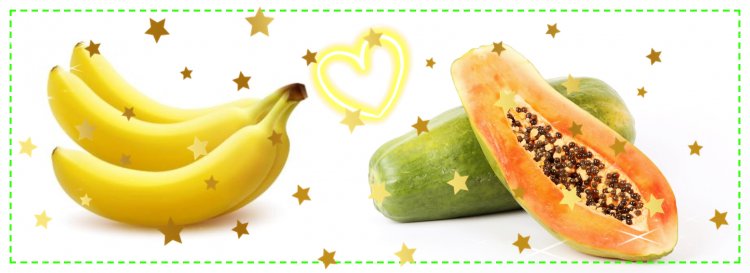
h. Banana and Papaya Mask:
Ingredients:
- Papaya
- Banana
Directions:
- Mash an equal amount of both papaya and banana in a bowl to turn into a paste.
- Apply a thin layer of this pulpy pack to your face and neck.
- Before applying this face pack clean your face to remove impurities and dust.
- Wait for 15-20 minutes or leave it on till dry.
- Wash your face with warm water.
Note: This mask is for all skin types. Use it on alternate days for best results.
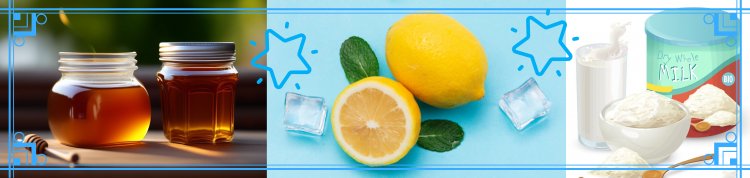
i. Honey and Lemon Juice Face Mask:
Lemon juice's inherent whitening characteristics make it an efficient pigmentation reducer. It makes a great mask that prevents skin discoloration when combined with honey's moisturizing benefits.
Ingredients:
- Lemon Juice
- Honey
- Dry Milk
Directions:
- Take two tablespoons of dry milk and mix it with one tablespoon of honey and one tablespoon of lemon juice.
- Apply this paste you your face and neck after washing your face correctly.
- Leave it on for 15-20 minutes or till dry.
- Wash your face with cold water and dry it.
Note: For best results, use it on alternate days and moisturize after application.
j. Aloe Vera Lotion:
Aloe is well known for its calming and restorative qualities. Aloe vera gel used regularly might help lighten pigmentation and even out skin tone.
Ingredients:
- Aloe Vera Gel
Directions:
- Extract fresh aloe vera gel from the plant.
- Gently massage it on the affected areas.
- Leave it on your face for 25-30 minutes.
- Wash your face with warm water.
Note: Utilize aloe vera gel twice daily for optimum benefits.
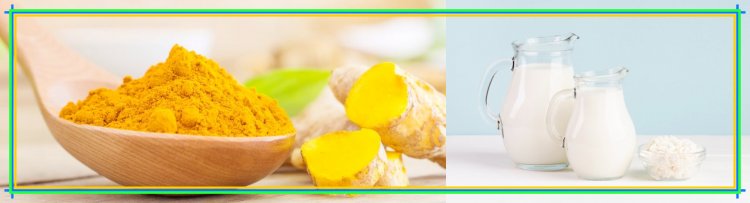
k. Milk and Turmeric Paste:
Curcumin, a potent antioxidant with skin-lightening qualities, is a component of turmeric. It can aid in skin exfoliation and pigmentation reduction when combined with the lactic acid found in milk.
Ingredients:
- Turmeric Powder
- Milk
Directions:
- Combine one teaspoon of turmeric powder with two teaspoons of milk to make a paste.
- Wash your face correctly to clean impurities and dust before applying the pack.
- Apply a thin layer of this mixture to the troubled areas.
- Let it sit for 15-20 minutes before washing.
- Sprinkle your face with cold water.
Note: To see changes, apply this cure three times each week.
l. Transformation of Potato Juice:
Enzymes that can reduce skin pigmentation and black patches are abundant in potatoes.
Ingredients:
- A Potato
Directions:
- Grate a potato to get the juice of the potato.
- Apply the grated potato juice immediately to the troubled areas.
- Before rinsing off with water, leave it on for 15-20 minutes.
- Wash your face with cold water and moisturize it.
Note: After only a few weeks of consistent use, potato juice will produce obvious improvements.
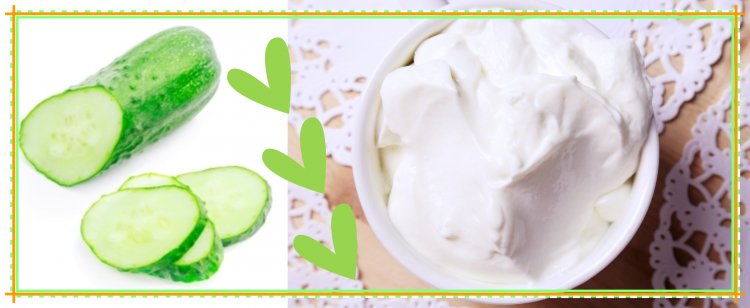
m. Yogurt and Cucumber Mask:
Yogurt includes lactic acid, which helps to reduce discoloration, and cucumber is well-recognized for its cooling and soothing effects on the skin.
Ingredients:
- Plain Yogurt
- Fresh Cucumber
Directions:
- Peel off a fresh cucumber and blend it to make a smooth paste.
- Mix one tablespoon of plain yogurt with two tablespoons of blended cucumber.
- Apply a uniform layer of this pack to your face and neck.
- Leave it on for 15-20 minutes or let it dry.
- Rinse with normal water and dry it.
Note: To reduce pigmentation, apply this mask twice a week.
n. A Green Tea Brew:
Antioxidants included in green tea help prevent skin aging and lighten pigmentation.
Ingredients:
- Green tea bags
- Cotton Ball
Directions:
- Make green tea and allow it to cool.
- With a cotton ball, apply the green tea infusion to the troublesome regions.
- Let it sit there for 15 minutes.
- Dry after rinsing with water.
Note: Evener skin tone can result from regular use.
o. Papaya Pulp to Provide Clarity:
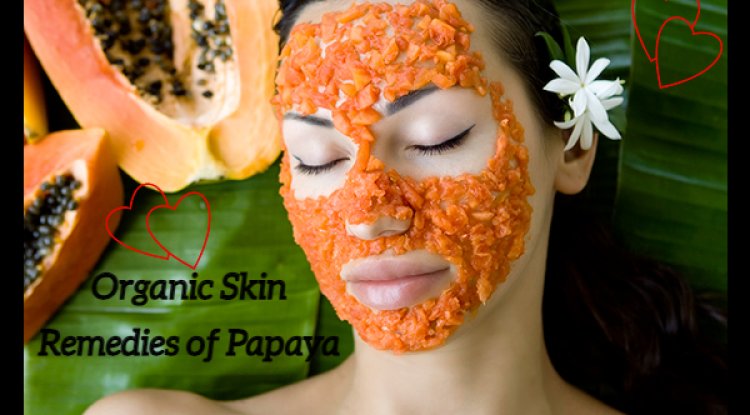
Enzymes found in papaya, such as papain, can organically exfoliate skin and lighten blemishes.
Ingredients:
- A Ripe Papaya
Directions:
- Mash ripe papaya in a bowl to turn it into a paste.
- Apply a smooth paste made from mashed-up ripe papaya to the afflicted regions.
- Before rinsing, let sit for 30 minutes.
- Use warm water to wash your face.
Note: Use two times each week for best results.
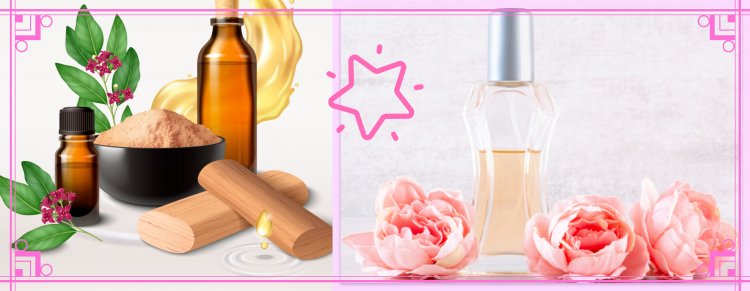
p. Sandalwood Paste:
Due to its benefits for the skin, sandalwood has been utilized in Ayurveda for millennia.
Ingredients:
- Sandalwood Powder
- Rosewater
Direction:
- Mix two tablespoons of sandalwood powder with rosewater as needed to make a paste.
- Apply a paste to pigmented areas by combining rose water and sandalwood powder.
- Before washing, let the surface dry for 20 minutes.
- Sprinkle your face with cold water.
Note: A bright complexion can be encouraged and pigment spots can be reduced with regular application.
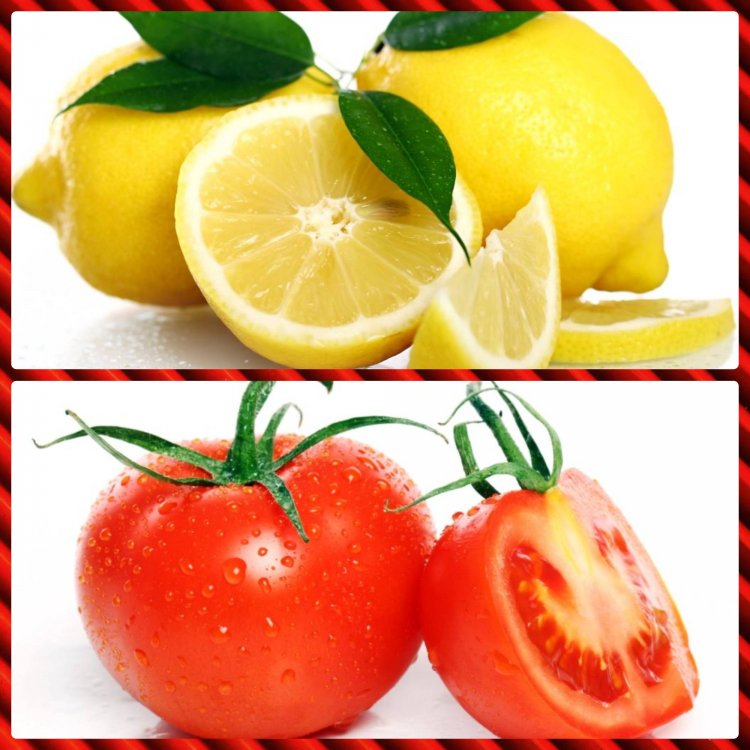
q. Lemon Juice and Tomato Juice:
Vitamin C and antioxidants found in abundance in tomatoes can help lighten and lighten pigmentation on the skin.
Ingredients:
- Tomato Juice
- Lemon Juice
Directions:
- Mix two tablespoons of tomato juice with a few drops of lemon juice.
- Apply this liquid to the afflicted areas with the help of a cotton pad.
- Wait for 15-20 minutes before rinsing it.
- Wash your afflicted areas with cold water.
Note: To get perfect results, use this remedy twice a week.
r. Apple Cider Vinegar:
Acetic acid, which is present in apple cider vinegar, has been demonstrated in studies to be able to lighten discoloration.
Ingredients:
- Apple Cider Vinegar
- Water
Directions:
- In a container, combine water and apple cider vinegar in equal parts.
- Apply to the dark areas, then wait two to three minutes before removing.
- Use warm water to rinse.
Note: To attain the desired results, repeat the treatment two more times each day.
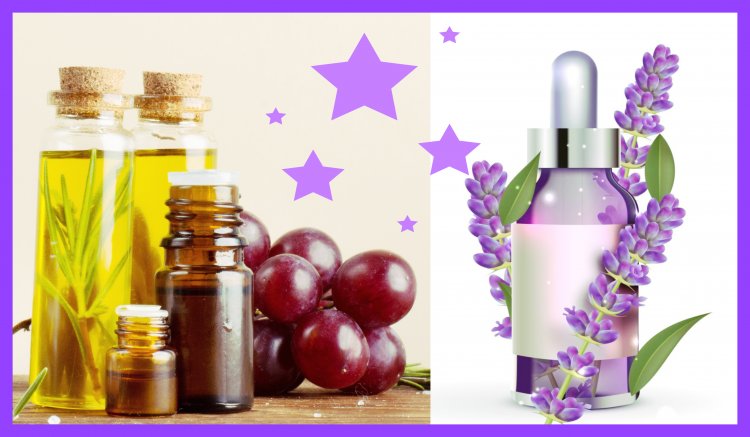
s. Grapeseed Oil:
Vitamins E and C are abundant in grape seed oil, making them potent antioxidants. Its antioxidant qualities aid in the treatment of pigmentation. You could select grape seed oil.
Ingredients:
- Grapeseed Oil
- Lavender Oil
Directions:
- Apply pure grapeseed oil to your face as a serum before night.
- For good effects, add a few drops of seed oil to your moisturizer or cream.
- Combine grapeseed oil and a different essential oil, such as lavender.
- Just a few drops of grapeseed essential oil should be used.
- Leave it on overnight and wash it the following day.
Note: It will not only remove pigmentation but also moisturize your face.
t. Red Lentils (Masoor Dal) for Uneven Skin Tone:
Red lentil face masks made from masoor dal are well-liked for curing hyperpigmentation. Red lentils are rich in antioxidants, which are thought to be beneficial for the skin, even though there is no proof to back up these claims.
Ingredients:
- Red Lentils
- Water
Directions:
- Soak 50 grams of red lentils in a dish of water all night.
- Make a fine paste in a food processor or blender.
- Evenly spread the paste over your face.
- Wait for 20 minutes before washing.
- Dry the skin with a towel after rinsing it with cold water.
Note: This mask not only reduces pigmentation but also removes fine lines.
Last But Not Least:
Dealing with pigmentation lesions can be challenging, but some remedies can bring you closer, to achieving clearer and more radiant skin. It's important to remember that these remedies may take some time to show results so it's essential to be patient and persistent. Before trying any treatment it's always recommended to perform a patch test to make sure you're not allergic, to any of the ingredients. To prevent pigmentation issues it is advisable to lead a lifestyle of regularly applying sunscreen and taking good care of your skin. However, if the pigmentation problem persists or worsens we recommend seeking guidance and specialized care from a dermatologist. Embrace your beauty. Let these do-it-yourself solutions assist you in achieving flawless skin.
What's Your Reaction?