Home Remedies For Shaving Rash Relief; 10 natural remedies for irritation after shaving
skinorganictips.cpcpoint.com provides authentic, effective organic home remedies for beautiful, healthy, & glowing skin that are naturally free from synthetic chemicals and are truly non-toxic.
Men and women both regularly shave, however, shaving can occasionally result in a bothersome and uncomfortable issue called shaving rash. After shaving, the skin becomes inflamed, leading to this ailment, also known as razor burn or bumps. The good news is that several reliable DIY solutions work well to reduce discomfort and encourage healthy, even skin. In this post, We will look at several all-natural organic remedies to help you have a hassle-free shaving experience by soothing, comforting, and preventing shaving rash.

List of contents
1. Understanding Rash Shaving
2. Shaving Rash Causes
3. How to Spot a Shave Rash
4. Natural Treatments for Rash
a). Aloe vera is nature's soothing gel.
b). Tea tree oil works well as an antiseptic.
c). Cucumber is hydrating and cooling.
d). Witch Hazel: Astringent and Anti-Inflammatory
5. After-Shave Natural Solutions
a). A soothing and anti-inflammatory beverage is chamomile tea.
b). A balancing and calming beverage is apple cider vinegar.
c). A moisturizing beverage is oatmeal.
6. Lifestyle and Dietary Aspects
7. When to Seek Medical Advice
8. Conclusion
Further Resources:
1. Understanding Shaving Rash:
Shaving rash is a common skin ailment brought on by friction, inflammation, and ingrown hairs. It develops after shaving and shows up as redness, itching, pimples, and maybe even a little inflammation. Although shaving rash is not a significant medical problem, It may be both awkward and ugly. Fortunately, numerous organic solutions can offer comfort and stop it from happening again.
2. Causes of Shaving Rash:
Shaving rash can be caused by a variety of factors, including using a blunt razor, using too much pressure when shaving, using harsh treatments, and shaving against the grain. These practices might irritate the skin, causing swelling, redness, and acne.
3. How to Identify a Shaving Rash:
Shaving rash can be identified by symptoms including redness, itching, tiny pimples, and occasionally even pus-filled blisters. A stinging or burning feeling may accompany the affected area's tenderness to the touch. It typically develops shortly after shaving and can continue for several hours or days.
4. Rash Shaving Natural Treatments:
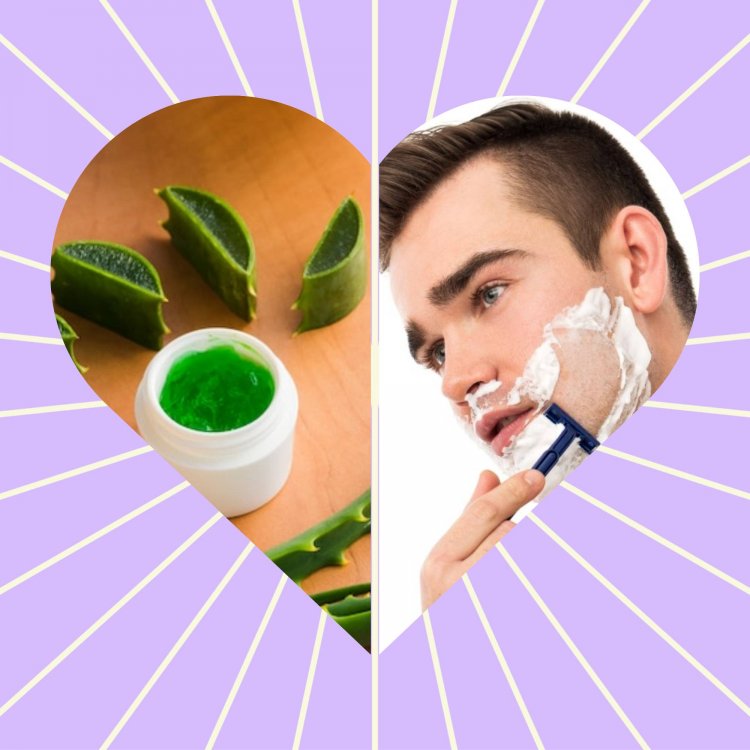
a). Aloe Vera Gel from Nature's Soothing:
Ingredients:
- Fresh Aloe Vera Gel
Directions:
- Aloe vera is well known for its calming effects and is quite successful in healing razor burns.
- Fresh aloe vera gel should be applied immediately to the wound.
- It minimizes swelling, cool the skin, and aid in healing.
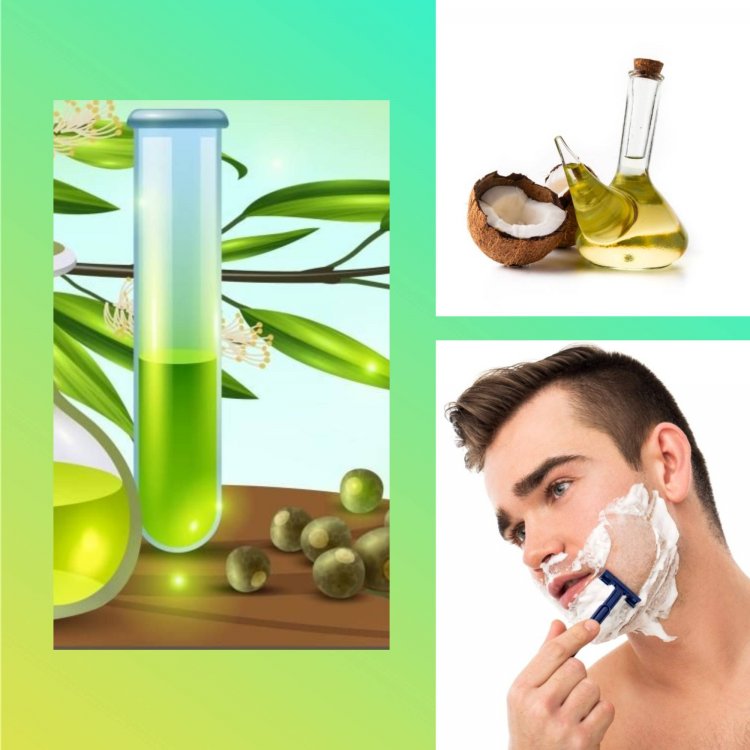
b). Tea tree oil works well as an antiseptic:
Ingredients:
- Tea Tree Oil
- Coconut Oil
Directions:
- Tea tree oil has strong antibacterial and anti-inflammatory effects.
- Apply carrier oil, like coconut oil, and a few drops of tea tree oil to the affected region.
- This treatment lessens inflammation, fights bacteria, and guards against infection.
c). Cucumber as a Coolant and moisturizer:
Ingredients:
- Fresh Cucumber
Directions:
- Cucumber has moisturizing and cooling characteristics that can soothe shaving rash.
- Fresh cucumber slices should be applied to the affected area for ten to fifteen minutes.
- The cooling and moisturizing effects of the cucumber will aid in soothing the skin and relieving inflammation.
d). Witch Hazel as an Astringent and Anti-Inflammatory:
Ingredients:
- Witch Hazel
Directions:
- Witch hazel is a naturally occurring astringent and anti-inflammatory ingredient that can successfully reduce the redness and irritation brought on by shaving rash.
- Dab the afflicted area with a cotton ball dipped in witch hazel to calm the skin and encourage healing.
6. Natural after-shave remedies:
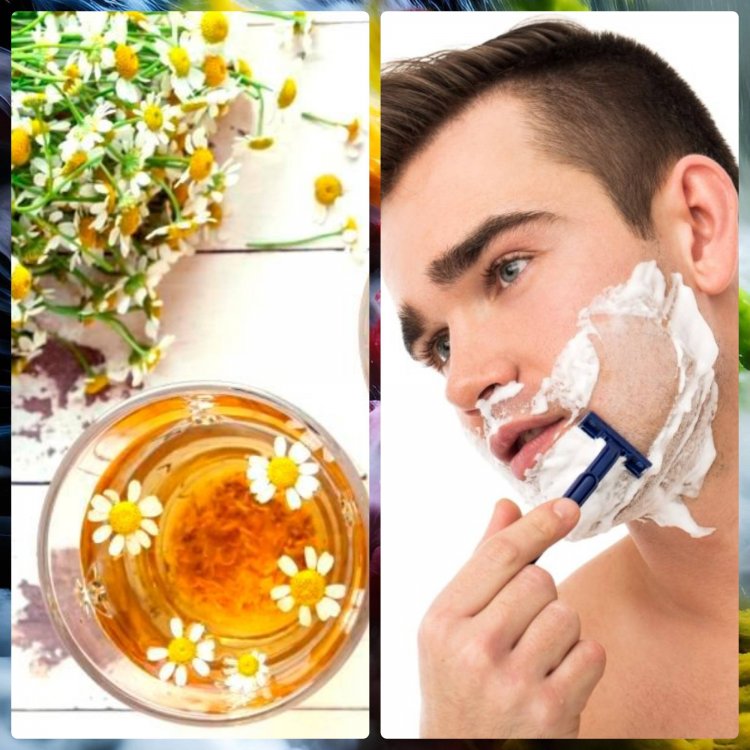
i). After-Shave of Chamomile Tea:
Ingredients:
- Chamomile Tea
directions:
- Chamomile tea has soothing and anti-inflammatory effects and can help soothe the skin after shaving.
- Make chamomile tea and let it cool.
- Use a cotton pad to apply it to the troubled area.
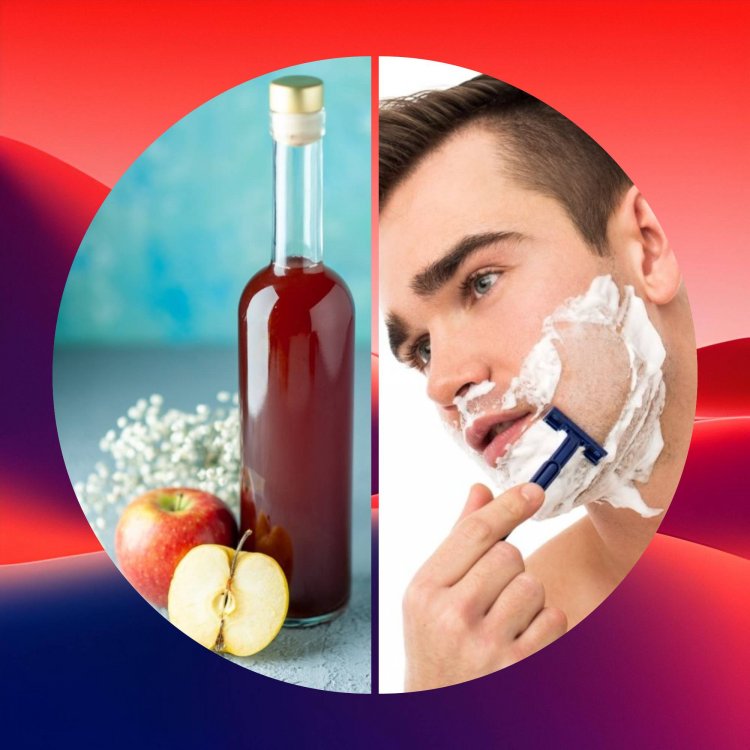
ii). Apple Cider Vinegar for Calming and Balancing:
Ingredients:
- Apple Cider Vinegar
Directions:
- Apple cider vinegar has calming and balancing effects on the skin's pH.
- Apply a cotton ball dipped in the mixture of water and apple cider vinegar to the affected region.
- It is good to minimize swelling.
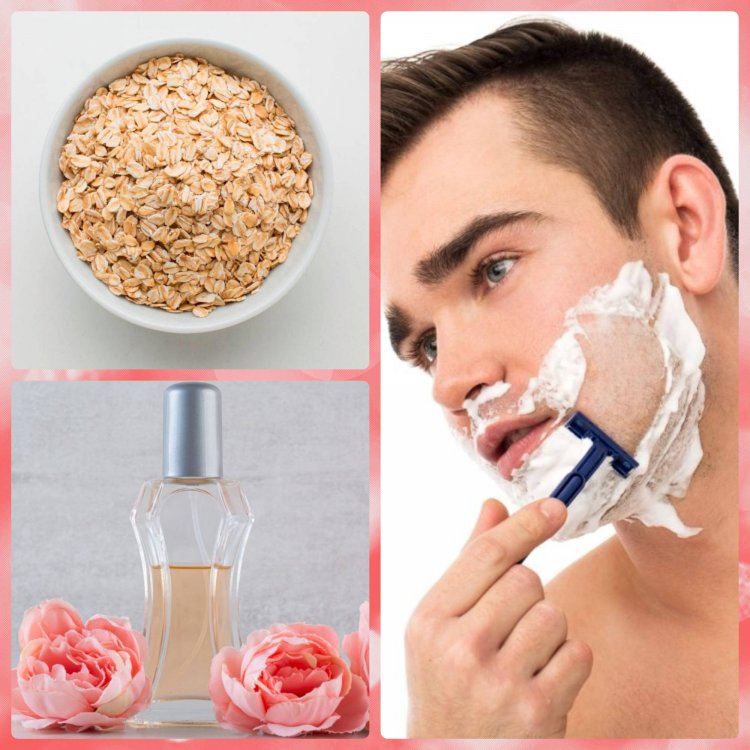
iii). Gentle Exfoliation and Moisturization with Oatmeal:
Ingredients:
- Oatmeal
- Rosewater
Directions:
- Oatmeal is a natural moisturizer and exfoliant that helps to reduce redness and irritation
- Make a paste by combining rosewater and ground oatmeal.
- Apply it to the affected part for 10-15 minutes.
- Wash with warm water, then pat yourself dry.
7. Life Style and Dietary Aspects:
A diet rich in vitamins, minerals, and antioxidants will enhance the general health of your skin and lower your chance of getting skin irritations. You should avoid smoking and drinking too much alcohol to help you have healthy skin. The most common cause of skin problems caused by food is a rash. Substances that come into contact with our skin trigger the majority of skin responses. However, some substances can also cause them when ingested. Shellfish, almonds, and cow's milk are often cited as foods that can cause skin rashes. Food allergies that induce skin reactions are uncommon, and they frequently coexist with other variables such as contact allergies or infections. Your doctor can do several tests to identify the precise allergy that is causing the issue, allowing you to remove it from your diet if necessary. Cucumber and Aloe Vera Mask:
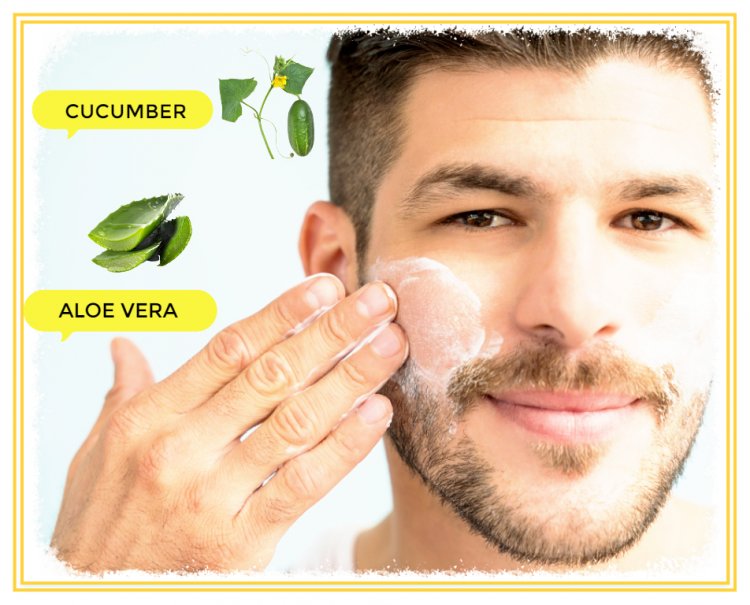
A). Cucumber and Aloe Vera Mask:
Aloe vera and cucumber both have well-known soothing properties. These items can be used to make a face pack that will soothe the skin and lessen inflammation.
Ingredients:
- Aloe Vera Gel
- Cucumber
Directions:
- Blend fresh cucumber and aloe vera gel to make this pack.
- Apply the pack to your face and wait to dry for 15-20 minutes.
- Rinse it off with cool water and pat dry yourself.
Note: Shaving rash can be alleviated by combining the soothing effects of aloe vera with the cooling impact of cucumber.
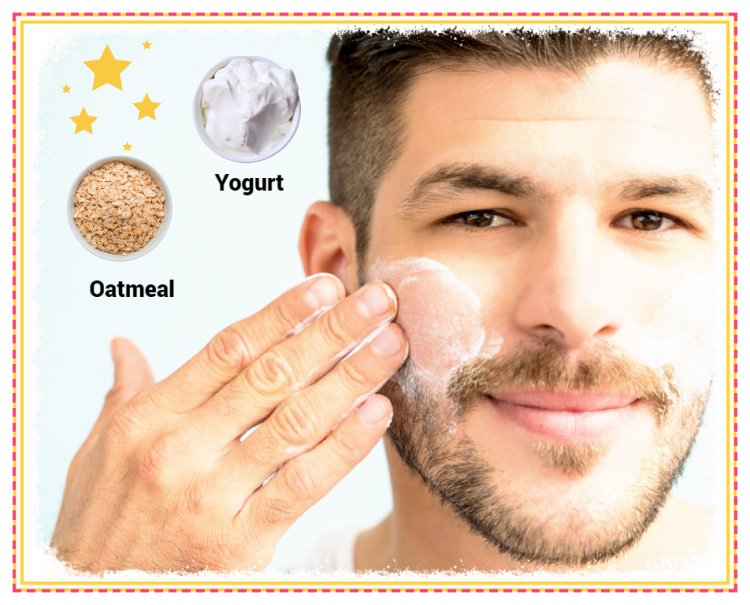
B). Oatmeal and Yogurt Mask:
It can help exfoliate dead skin cells and soothe irritated skin. Yogurt, on the other hand, has lactic acid, a natural moisturizer and sedative for the skin.
Ingredients:
- Oatmeal
- Plain Yogurt
Directions:
- To prepare this face pack, combine plain yogurt and ground oatmeal to form a paste.
- Apply the pack to your face and gently massage it in circular motions.
- After 15 minutes, rinse it off with warm water.
Note: Your skin's moisture levels can be improved and redness can be reduced using this mixture.
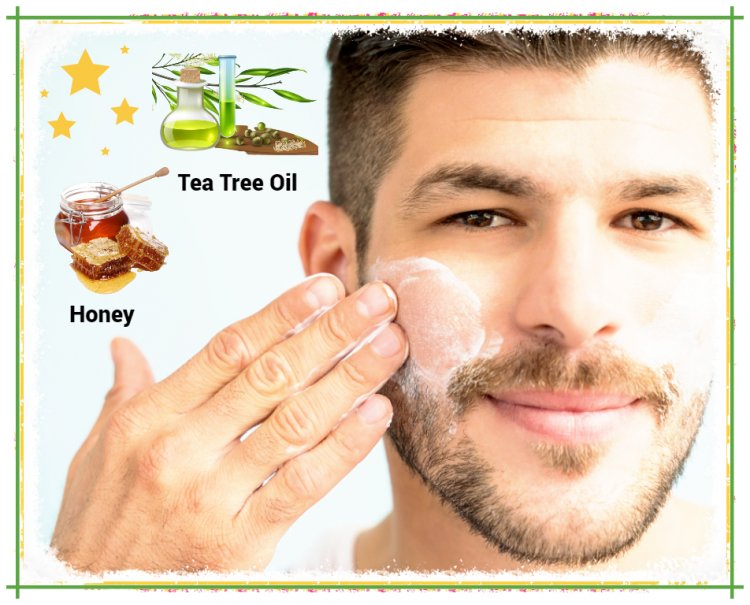
C). Honey and Tea Tree Oil Mask:
Tea tree oil has antibacterial and anti-inflammatory characteristics, making it a great ingredient to use in a face pack with honey to treat shaving rash. On the other hand, honey is well-known for its healing and moisturizing qualities.
Ingredients:
- Tea Tree Oil
- Honey
Directions:
- Mix one tablespoon of honey with a few drops of tea tree oil.
- Apply the mixture to the afflicted regions.
- After 15 minutes, remove it by rinsing it with warm water.
Note: This face pack can help reduce swelling.
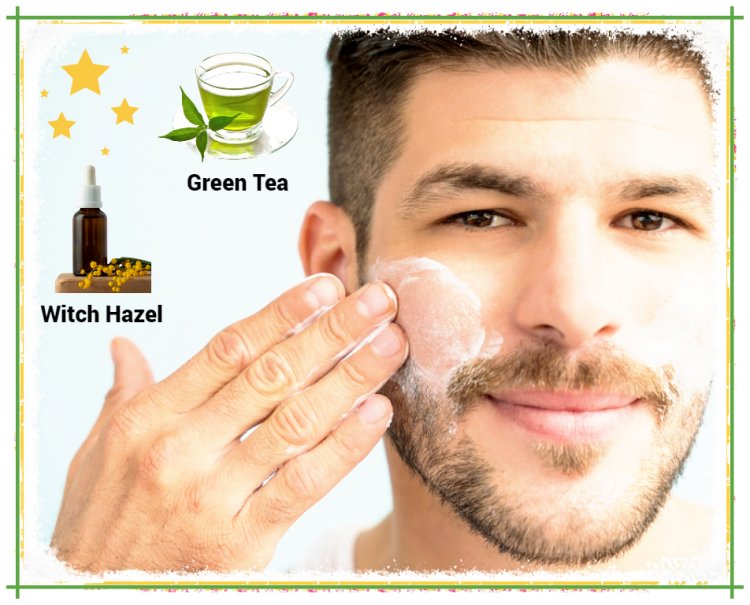
D). Green tea and witch hazel:
Antioxidants included in green tea can relax the skin and reduce redness. A natural astringent, witch hazel helps constrict pores and calm inflammation.
Ingredients:
- Green Tea
- Witch Hazel
Directions:
- Make a cup of green tea, then allow it to cool.
- Apply the concoction on your face with a cotton ball by combining equal parts of green tea and witch hazel.
- Let it dry then wash your face with water.
Note: This face pack can help heal wounds and regulate the pH of the skin.
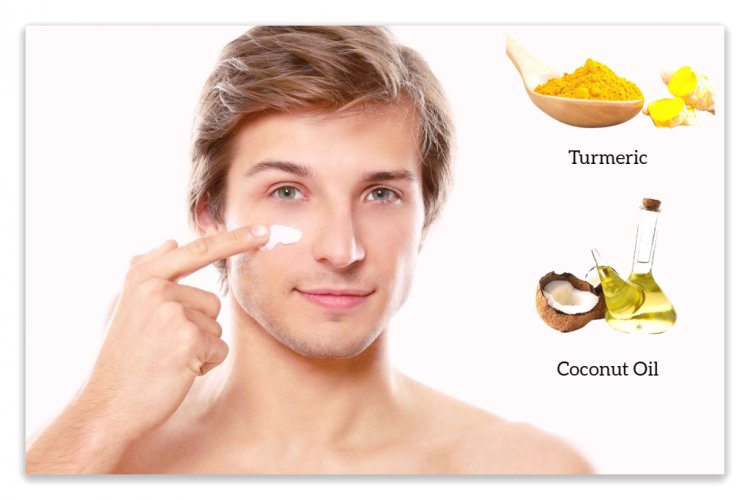
E). Coconut oil and turmeric:
Coconut oil has moisturizing qualities that can help moisturize dry and irritated skin. Coconut oil and turmeric are used as a face pack to treat acne. Curcumin in turmeric has anti-inflammatory and antioxidant properties.
Ingredients:
- Coconut Oil
- Turmeric
Directions:
- One teaspoon of turmeric powder and one tablespoon of coconut oil should be combined to form a paste.
- Wait 15 to 20 minutes after applying it to your face before washing it off.
Note: This face pack can lessen inflammation, kill bacteria, and aid in the healing process.
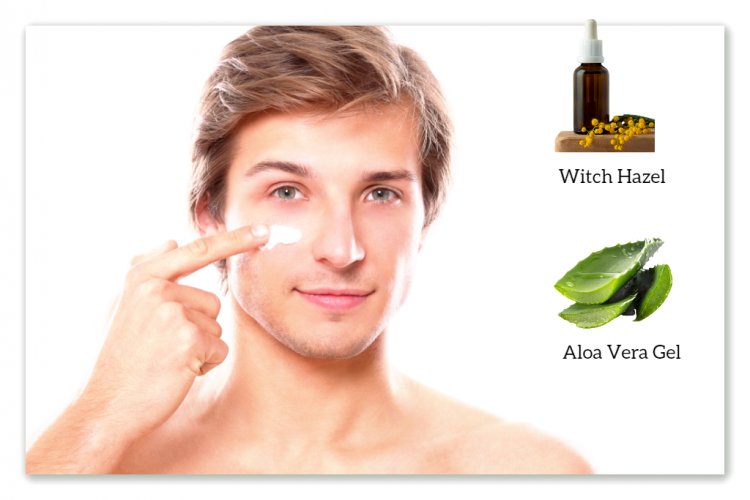
F). Witch Hazel and Aloe Vera Face Pack:
Witch Hazel and aloe vera's soothing qualities can be combined to make a potent face pack that fights shaving rash.
Ingredients:
- Witch Hazel
- Aloe Vera Gel
Directions:
- In a basin, combine equal parts of witch hazel and aloe vera gel.
- Apply the concoction to your face.
- Let it air dry naturally before rinsing it off with cool water.
Note: This pack can help your skin feel revitalized while reducing inflammation and preventing infection.
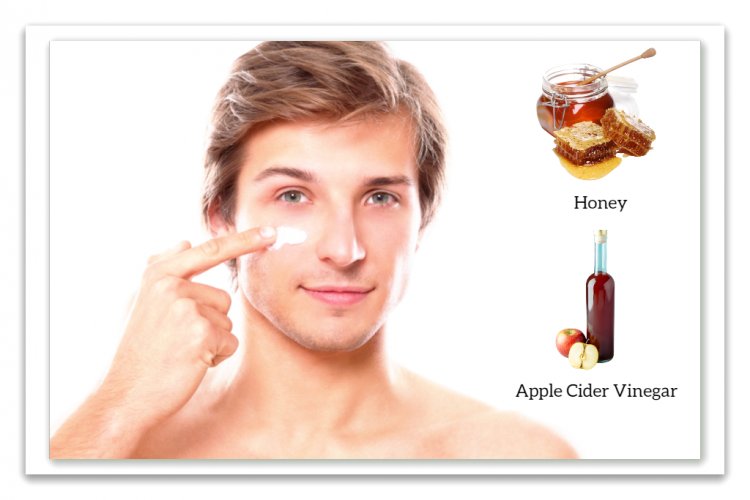
G). Honey and Apple Cider Vinegar Face Pack:
Apple cider vinegar can treat inflamed skin and aid in preventing infection due to its antibacterial characteristics. Moisturizing and healing properties of honey are added to this face pack.
Ingredients:
- Honey
- Apple Cider Vinegar
Directions:
- Mix equal quantities of honey and apple cider vinegar.
- Apply the solution to the affected regions letting it sit for 10 -15 minutes.
- Wash it off with lukewarm water.
Note: This face pack helps to reduce redness, soothe itching, and hasten the healing process.
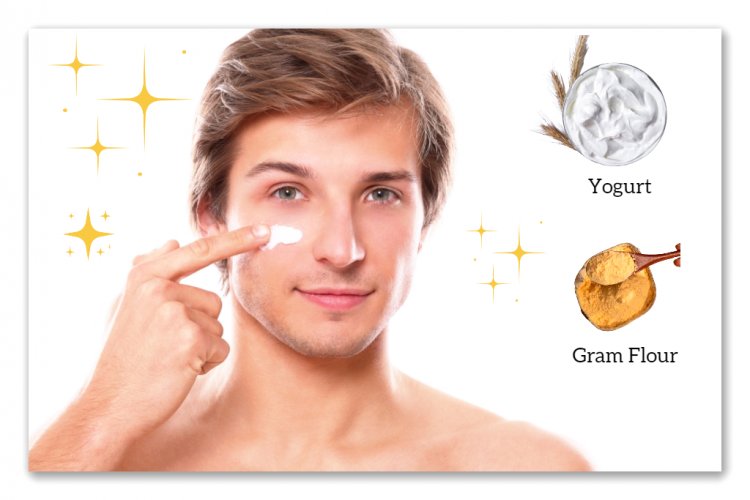
H). Yogurt with Gram Flour Face Pack:
Gram flour, also known as chickpea flour, has been used for ages in cosmetics due to its exfoliating and whitening characteristics. This face mask combines yogurt with gram flour. Yoghurt has a cooling effect in addition to moisturizing the skin.
Ingredients:
- Yogurt
- Gram Flour
Directions:
- Yogurt and gram flour should be combined to form a paste-like substance.
- Apply it to your face, and wait to dry for 15 minutes.
- Use circular motions to gently scrape the pack off and then wash it with cold water.
Note: With the aid of this face pack, you can get rid of dead skin cells, lessen irritation, and improve your complexion.
8. When to Seek Medical Advice:
Most of the time, the above-mentioned home remedies are beneficial in treating shaving rash. It is suggested to visit a dermatologist if the issue worsens, worsens, or becomes infected to have a more complete examination and treatment.
Conclusion:
Shaving rash is an unpleasant side effect that can be easily treated with natural remedies with the appropriate strategy. You may get smoother, healthier skin and say goodbye to the irritation of shaving rash by including these home treatments into your skincare routine and using proper shaving practices.
Always remember that prevention is better than cure, therefore take the required precautions to prepare your skin before shaving and adhere to a post-shave routine that includes soothing and moisturizing your skin. You can have a relaxing and irritation-free shaving session by caring for your skin and using natural solutions.
References:
1. "How to shave". aad.org. American Academy of Dermatology. Archived from the original on 6 September 2015. Retrieved 24 October 2015.
2. "How to Get That Perfect Shave". MSNBC. 2005-01-30. Archived from the original on 2005-02-04. Retrieved 2011-11-24.
What's Your Reaction?